

EPEAT® is the premier global ecolabel for electronics and technology products.
Electronics shape how organizations work, collaborate, and impact their communities. Managing their impacts is central to addressing climate change, catalyzing sustainable use of resources, reducing chemicals of concern, and ensuring responsible supply chains.
Established in 2006, EPEAT is a globally trusted ecolabel that delivers measurable impact and makes it easier for organizations to purchase electronics that are better for people, the planet, and the bottom line.
EPEAT is built on science-based criteria to address environmental and social issues often associated with electronic products and requires independent third-party experts to verify that products meet them.
EPEAT is operated by the Global Electronics Council® (GEC), a mission-driven nonprofit organization dedicated to a world with only sustainable electronic technology that advances the well-being of people and planet. Together we can reach 100% sustainable electronics by 2050 for everyone, everywhere.

EPEAT 2.0 Is Here. Transformative Impact. Future Ready.
Following an extensive initiative to update EPEAT criteria – involving almost one hundred stakeholders from civil society and advocacy, electronics brands and their supply chain partners, purchasers and policy makers – EPEAT 2.0 has arrived.
EPEAT 2.0 represents the continued evolution of EPEAT as the most impactful ecolabel for electronics and technology products in the marketplace. It drives impact deeper into the supply chain, tackling more complex sustainability issues than ever before, and reflects today’s urgent priorities and tomorrow’s emerging challenges.
EPEAT 2.0 refers collectively to the updated EPEAT 2.0 criteria and the supporting ecosystem of experts, tools, resources, programs and communities of practice that enable meaningful progress.
With a nearly 20-year history of sustainability leadership in the electronics sector, EPEAT is now transitioning from EPEAT 1.0 to the new EPEAT 2.0. However, an EPEAT registered product, regardless of whether it meets EPEAT 1.0 or EPEAT 2.0, represents sustainability leadership


EPEAT 2.0 Launch Partners.

EPEAT is proud to recognize those electronics brands leading the transition to the next generation of EPEAT registered products. These Launch Partners are among the first to achieve EPEAT 2.0 for their products and exemplify how innovation, transparency, and commitment can accelerate progress toward a more sustainable global electronics sector.







Enabling Responsible Procurement Globally.
With almost 300 million EPEAT registered products purchased every year worldwide, EPEAT is trusted by more purchasers and offers access to more sustainable electronics from more brands than any other comparable ecolabel. EPEAT is relied upon as a key tool to advance responsible procurement in over 50 countries around the world.
There are tangible environmental and financial benefits associated with the estimated 2.7 billion EPEAT registered products sold since 2006. This includes 34 billion US dollars in cost savings and 341 million tonnes of greenhouse gases avoided.1
1 Estimated figures are cumulative from 2006-2023 and for all product categories and determined using the EPEAT Benefits Calculator.
EPEAT 2.0 Criteria
EPEAT 2.0 criteria strengthen the foundation of credibility and impact established over nearly two decades while expanding reach across the full electronics value chain. They address four critical sustainability impact areas:

Climate Change Mitigation
Reducing greenhouse gas (GHG) emission in manufacturing, the supply chain, and product use.

Sustainable Use
of Resources
Designing products for longevity, reuse and recycling, and responsibly addressing packaging, water and waste.

Chemicals
of Concern
Eliminating use of toxic chemicals in the product and manufacturing that are hazardous to human health and the environment.

Responsible
Supply Chains
Responsible sourcing of materials, fair labor practices, and worker health and saftey in the elctronics supply chain.
Credible by Design.
An ecolabel is only as credible as the system behind it. EPEAT’s system is robust, science-based and meets not only external standards and benchmarks, but regulatory requirements and stakeholder expectations. EPEAT is not simply a compliance exercise or checklist. It demands action and drives real, lasting impact.
EPEAT Verification
The EPEAT verification system is rigorous and designed to ensure that all products meet EPEAT criteria initially and on an ongoing basis. Before products can appear in the EPEAT Registry, independent and accredited experts – conformity assurance bodies – verify that the products meet EPEAT criteria.


EPEAT Criteria Development
EPEAT criteria are science-based and address priority environmental and social impacts throughout the life cycle of the product and its supply chain. Criteria are developed in a balanced, multi-stakeholder process, guided by an unwavering commitment to excellence in transparency and meaningful stakeholder engagement.
External Recognition
EPEAT is audited by ANAB, an independent accreditation body, and maintains formal recognition for meeting the requirements of ISO 14024, the internationally recognized standard for Type 1ecolabels – one of the few ecolabels globally to do so. We are also a member of the Global Ecolabelling Network and successfully completed their peer review process against best practices for ecolabels.
EPEAT Tiers. Incentivizing Innovation for a Race to the Top.
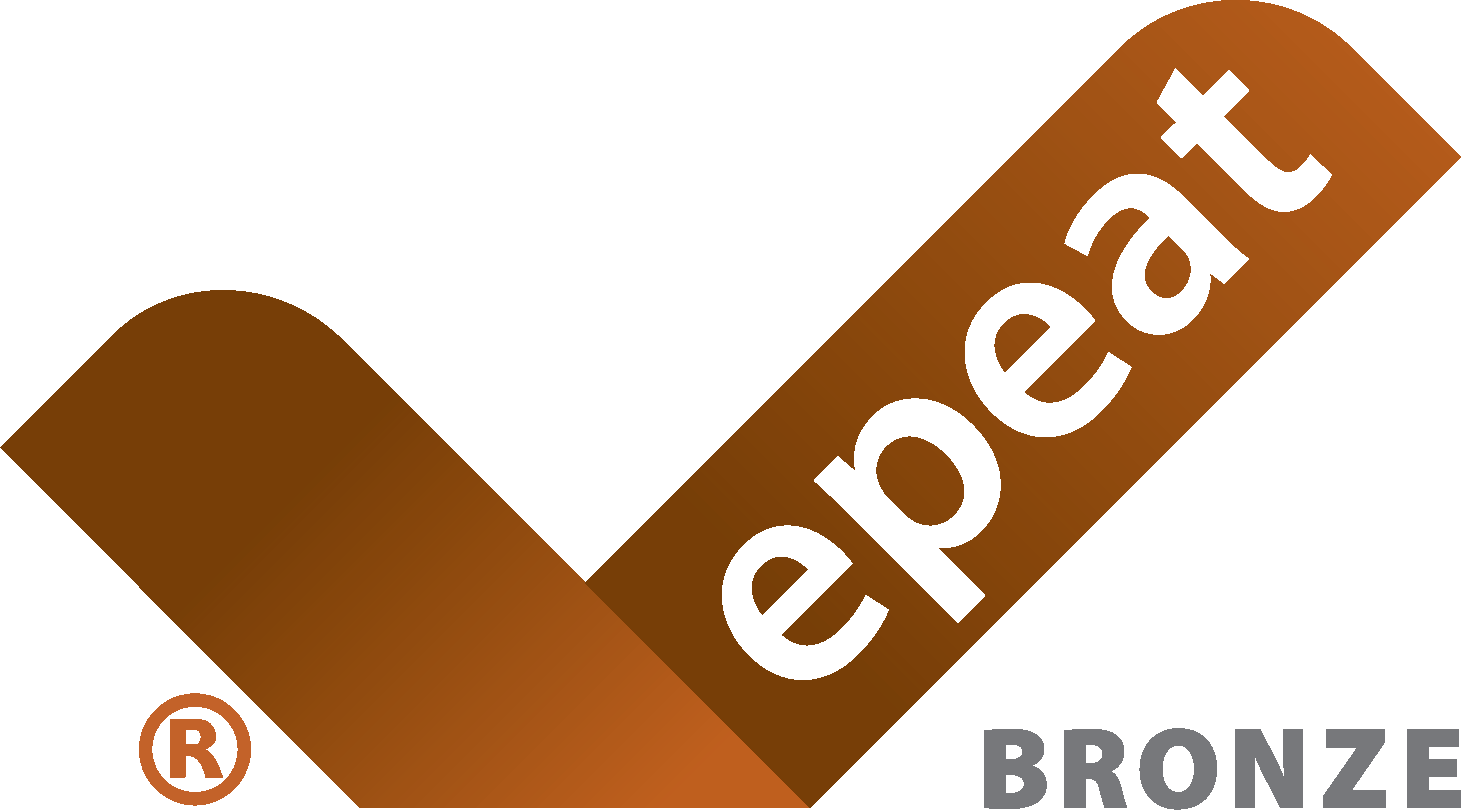
Optional criteria are designed to incentivize a race to the top. Products can achieve EPEAT Bronze, Silver, or Gold, depending on the number of optional points they obtain.
Bronze products represent sustainability leadership by addressing all key sustainability impacts across the life cycle of the product.
Silver and Gold products address highly challenging optional criteria designed so only the most advanced products can achieve them.
EPEAT is built to address today’s urgent priorities and tomorrow’s emerging challenges.

Gold

Silver
Bronze
EPEAT Climate+™ is Accelerating Climate Action.

We can't wait. The threat of climate change is real and urgent. Organizations need a practical and impactful way to ensure the electronics they purchase contribute to climate change mitigation.
Launched in 2023, EPEAT Climate+ is an additional designation to recognize EPEAT registered products that have an even lower impact on climate change. Procurement professionals, investors, policy makers and others use this powerful designation to evaluate their procurement, investments, and other decisions to help realize their climate ambitions.
Products earning the EPEAT Climate+ designation as part of their EPEAT registration must be independently verified as meeting all required criteria and 50% of the optional EPEAT climate change mitigation criteria. This is in addition to proving they meet EPEAT criteria that address impacts related to sustainable use of resources, chemicals of concern, and responsible supply chains.
The following product categories are eligible for EPEAT Climate+: Computers and Displays, Imaging Equipment, Mobile Phones, Photovoltaic Modules, Servers, and Televisions. Additional product categories may be added later.
EPEAT Climate+ Purchasing Leaders and Advocates are a driving force for climate change mitigation and demonstrate their focus by requiring EPEAT Climate+ designated products in their procurement contracts. Whether it’s transparency and traceability in the decarbonization of product life cycles or leveraging ecolabels as a single-source of truth in sustainable procurement – purchasers will drive demand toward a more positive future.
These EPEAT Participating Manufacturers are setting the standard as EPEAT Climate+ Champions.








Still Figuring Out Where You Fit In?
From procurement professionals, investors and policy makers to manufacturers and interested consumers – we all play a part in achieving a world with 100% sustainable electronics. We’re happy to talk to you about where you may fit with EPEAT® and EPEAT Climate+™.
